How Much Does a Car Parking App Development Cost?
Explore 2027 car parking app development costs, key features, system design, revenue models, and build timelines to plan your smart parking platform.

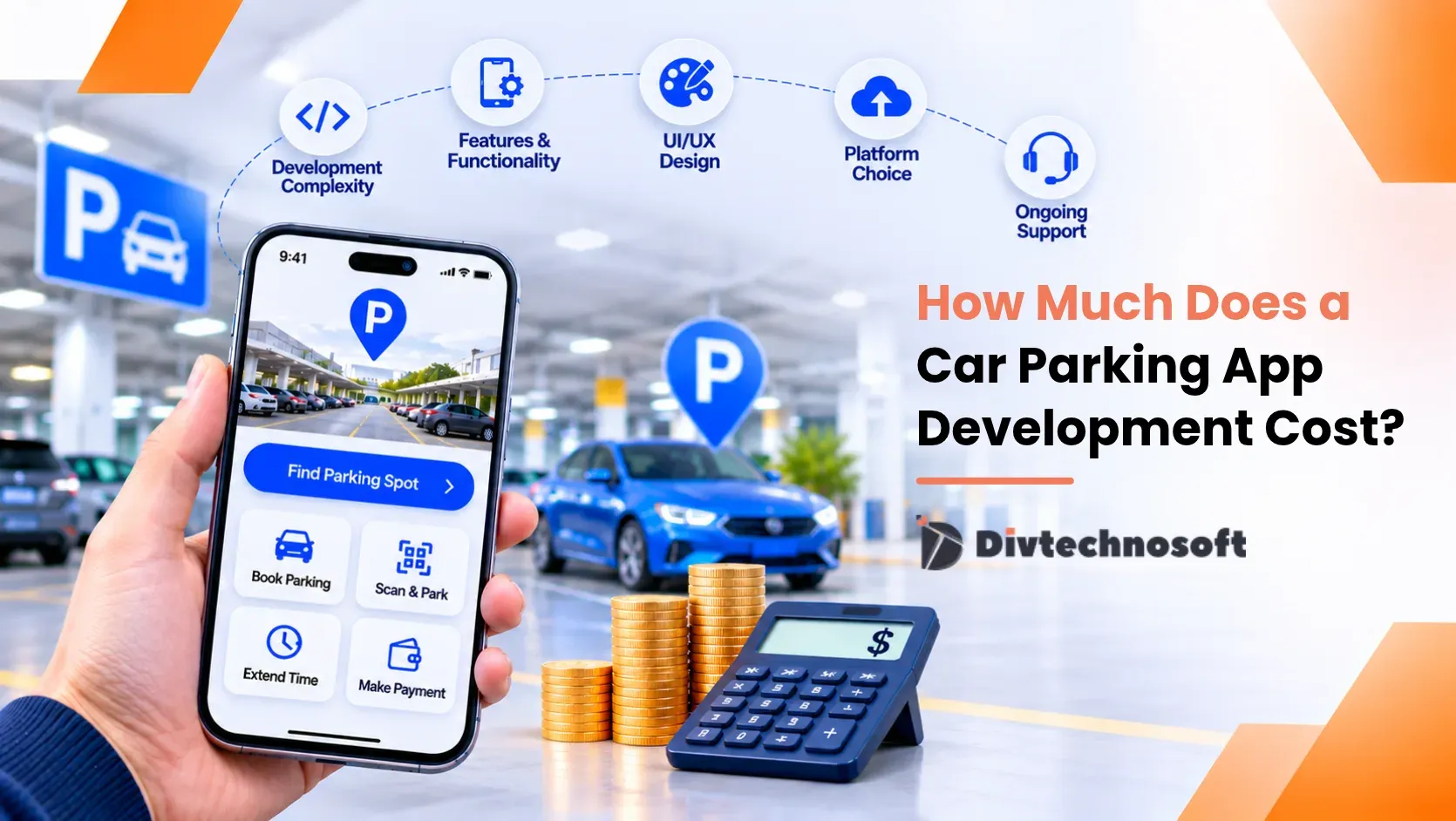
Developing a car parking app involves several costs, depending on the features, design, technology, and development approach. A basic app with parking space search and booking will cost less than an advanced app with real-time parking availability, online payments, GPS tracking, and smart parking integration.
In this blog, we will break down the car parking app development cost, the key factors that affect the budget, and the features you need to consider before starting development.
Car Parking App Development Cost Breakdown
The price of car parking app development depends on the features you pick. A basic spot finder costs much less than a big app with live sensors and gate scans.
Build Tier | Estimated Cost | Build Time | Core Features |
|---|---|---|---|
Basic MVP | $10,000 to $30,000 | 8 to 12 Weeks | Map search, GPS directions, spot listings, and simple bookings. |
Mid-Level Parking Platform | $30,000 to $100,000 | 3 to 5 Months | Live bay counts, early bookings, card payments, alerts, and all three user screens. |
Smart Parking Platform | $100,000 to $150,000+ | 5 to 8 Month | Ground sensors, license plate cameras, EV charger filters, and surge pricing. |
What Changes Your Final Build Cost?
Three main choices push parking app development prices up or down. Knowing these early helps you keep your build budget on track.
Phone Types: Building for one phone type costs much less than building for both iPhone and Android. Many teams use cross-platform code so one build runs on both phones for less money.
Team Location: Hourly developer rates differ across regions. Teams charge $70 to $150 per hour in North America, $50 to $100 in Europe, $45 to $60 in the Middle East, and $25 to $60 in South Asia.
Yearly Upkeep: Plan to spend 15% to 20% of your build budget each year after launch. This covers cloud servers, live map fees, bug fixes, and phone updates.
Picking one shared codebase and a skilled offshore team can cut your launch bill in half without losing speed or quality.
Key Features for a Smart Parking App
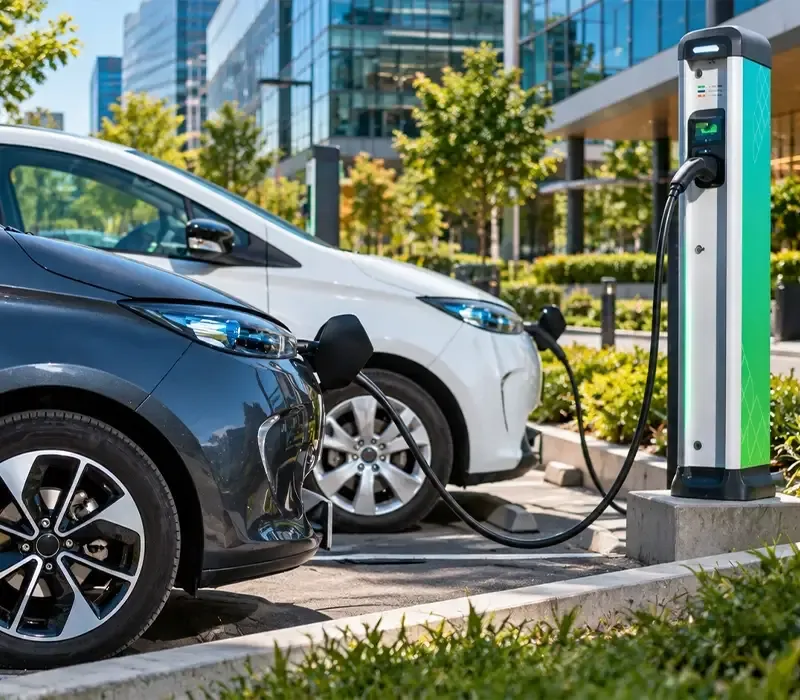
A smart parking app uses live sensors and instant data to guide cars quickly. These extra tools help big lots and busy cities cut street traffic and fill more bays.
Ground Sensors & Number Plate Cameras
Wireless sensors detect empty and occupied parking spaces and update the app in real time. Drivers can find available spots without driving around. Cameras at parking gates scan number plates, record entry times, and speed up vehicle entry.
EV Charger Search and Parking Rules
Drivers can use app filters to find available EV charging bays, check charger speeds, and book spots in advance. They can also pay for parking and charging through the app. Alerts help prevent regular cars from blocking EV bays and notify drivers when charging is complete.
Time Alerts & Parking Extensions
The app sends alerts before parking time expires. Drivers can extend their parking sessions through the app without returning to their cars. Lot owners can track parking times and receive alerts when vehicles stay beyond their paid duration.
How Do Parking Apps Work?
To see how parking apps work, look at how three user screens share live data. When a driver books a bay, the lot owner and platform admin see that update right away. This live sync stops double bookings, just like modern digital valet parking systems track cars in busy lots.
Driver Screen
The driver screen helps people find, compare, and book open spots near their stop in seconds. Drivers open the map, check hourly rates, and pick a bay that fits their car and budget.
Once they pick a spot, drivers pay by card or phone wallet right on the screen. The tool sends a gate pass and maps directions straight to their phone.
Lot Owner Screen
The lot owner screen gives garage teams full control over daily spaces and cash flow. Owners set hourly or daily prices, block off full bays, and update open spots in real time.
When a car arrives, lot staff scan the gate pass or check the plate number. Owners also see live bay counts and daily lot income on one simple screen.
Admin Screen
The admin screen lets platform owners run the full network from one main view. Admins check and approve new parking lots before those lots show up on the live map.
Admins also set service fee splits, send driver refunds, and fix support issues fast. Live sales reports show total bookings, busy hours, and income across every city.
How Do Parking Apps Make Money?
Car parking apps generate revenue through different business models. The right option depends on how the platform works and who uses it.
1. Booking Commission
The app charges a small commission on every parking reservation made through the platform. For example, it can earn a percentage of the total booking amount.
2. Subscription Plans
Parking lot owners pay a monthly or yearly fee to list their spaces and use app features. Different plans can offer different tools and benefits.
3. Convenience Fees
The platform adds a small service fee to each booking. Drivers pay this fee when they reserve a parking space.
4. In-App Advertising
The app displays relevant ads from nearby businesses, restaurants, car services, and other local providers to generate additional income.
5. Corporate Partnerships
Parking apps can partner with offices, shopping malls, hotels, and commercial properties to manage employee and visitor parking for a fixed fee.
Why Pick Divtechnosoft for Your Parking Build
Divtechnosoft is a top parking app development company with real work in hotels and lot tools. Our team built the Summon Valet Parking Platform in 15 weeks. Today, that platform runs at over 450 hotels and busy lots.
Proven Lot Scale: The system tracks over 158,000 passes while keeping cloud costs low as new lots join.
Full Code Control: You own all of your code and user data from day one with no lock-in rules.
Custom Rules and Links: We build custom rate rules, payout splits, and gate links for your lot. You keep full sales with no per-car fees.
This setup lets you launch fast with a lean MVP. As your business grows, you can add new lots, gate sensors, and cities with ease.
Plan Your Car Parking Platform Today
Matching your budget to your launch goals keeps your parking app development on track. Starting with a basic MVP helps you test local demand and attract parking lot owners. As your business grows, you can add features like bay sensors, gate scans, and EV charging without spending too much upfront.
A clear development plan helps turn empty parking spaces into steady revenue for lot owners while making parking easier for drivers. Divtechnosoft helps businesses build car parking apps that match their requirements, budget, and growth plans.