Best Valet Parking System Guide for Modern Operators
Explore how modern valet parking systems work, key features to look for, and how to build custom software to automate vehicle tracking and payments.

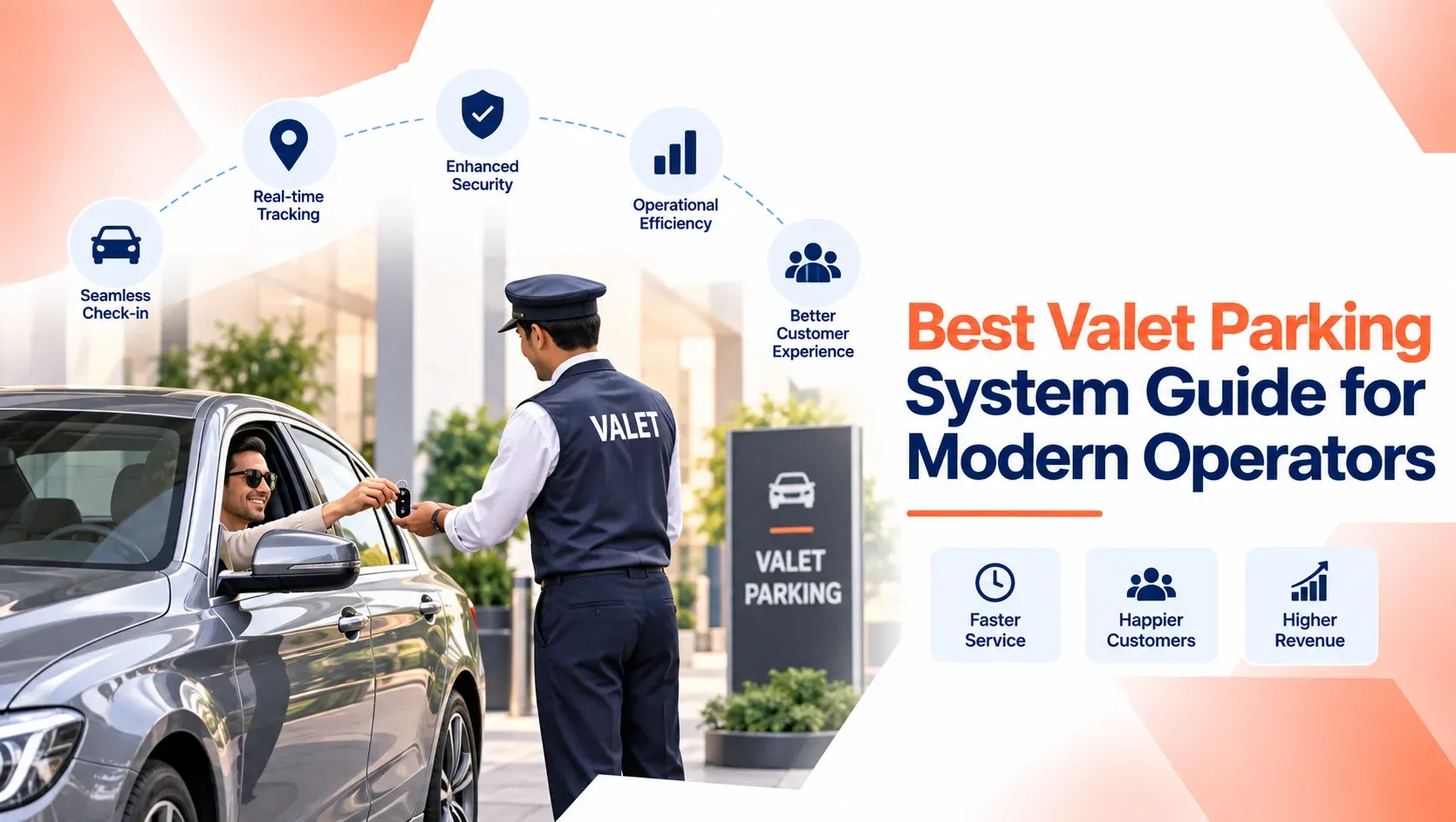
Paper claim tickets, clipboards, and lost stubs create long curb lines and misplaced keys. A modern valet parking system removes these manual bottlenecks with a fast, mobile-first process that keeps traffic moving.
Going digital gives operators full control over their curb. Guests receive a paperless claim ticket via text message, while staff track vehicles, keys, and parking bays in real time on handheld screens.
This guide breaks down how digital platforms operate, key features needed for smooth curb workflows, how top market tools compare, and how to build custom software for your venue.
Modern Valet Parking Software System
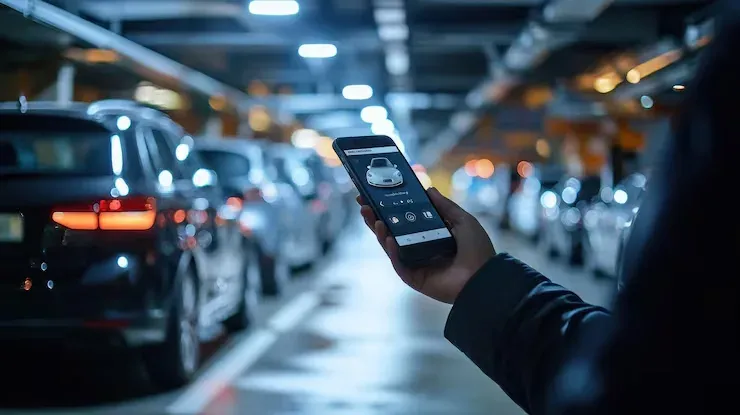
A modern valet parking software system replaces paper stubs with fast digital check-ins. Attendants log basic vehicle details on a mobile device and instantly text a digital claim pass to the guest. Building or using an end-to-end valet parking management software ensures every vehicle movement remains accounted for from entry to exit.
The platform connects guests, runners, and managers in real time. Guests request cars from their phones, runners receive instant key and stall alerts, and managers track live queues and revenue on a single dashboard.
The operational workflow follows four straightforward steps:
Intake: The attendant logs vehicle details, assigns a key slot, and texts a digital pass to the guest.
Parking: The runner parks the car, saves the stall number in the app, and hangs the key on the assigned hook.
Retrieval Request: The guest taps their digital pass to request their car and complete payments or tips online.
Handoff: A runner pulls the key, brings the car to the curb, confirms the digital pass, and completes the departure.
Why Venues Need Valet Management Software
High-traffic venues cannot afford slow curb lines, misplaced keys, or revenue leakage. Investing in reliable valet management software automates daily front-drive tasks, protects operators against false claims, and creates a seamless arrival experience for every guest.

Faster Check-In Speeds
Attendants register arriving vehicles in seconds by entering plate numbers or scanning registration barcodes on handheld devices. The system immediately sends a digital pass to the guest mobile phone. This paperless process keeps driveways clear, prevents vehicle queues from backing into public streets, and sets a positive tone for arriving guests.
Photo Damage Records
Attendants take fast, time-stamped photos of pre-existing scratches, scuffs, and windshield cracks before moving any vehicle. These digital images attach directly to the guest record. If a customer questions a blemish upon vehicle return, staff can pull up the intake photos instantly to resolve the dispute with hard proof.
Integrated Digital Payments
Guests pay daily parking fees, redeem hotel validations, and tip attendants directly on their mobile screens. Offering Apple Pay, Google Pay, and standard credit card options eliminates the friction of physical cash. Attendants take home higher tips, while operators capture every dollar without manual cash counting at the end of each shift.
Accurate Key and Bay Tracking
Every vehicle links digitally to a specific key slot and a numbered parking space. Attendants log where the car rests and which hook holds the key during check-in. When a retrieval request arrives, runners know the exact location of both the key and the vehicle, which avoids confusing mix-ups during peak rush hours.
Central Dashboard Reporting
Site managers monitor live front-drive activity, staff hours, and vehicle turnover times across multiple properties from a single browser window. Real-time data highlights bottlenecks, shows peak arrival times, and tallies daily income, helping managers adjust staffing schedules to meet demand without overspending on labor.
How Leading Market Systems Handle Valet Operations
Operators evaluating the best valet parking software commonly review established market solutions to match their venue size and guest checkout flow. Each platform addresses distinct operational needs across hardware, mobile ticketing, and lot logistics:
1. Flash Valet: Best for enterprise operations like airports, hospitals, and large parking garages. It integrates directly with physical hardware, including gate controls, ticket printers, and handheld barcode scanners.
2. Get Summon: Best for hotels and upscale hospitality venues looking to eliminate paper tickets. It uses quick SMS claim links so guests can request their vehicles straight from their phones.
3. CurbStand: Best for high-turnover restaurants and nightlife spots. It focuses on speed with touchless digital payments, quick mobile checkout, and built-in tipping options.
4. Swoop: Best for operators managing off-site lots and shuttle logistics. It tracks vehicle dispatch and coordinates drivers across long distances to keep remote parking efficient.
When to Choose Pre-Built Software
Commercial software suits single facilities that need a rapid launch without custom development. It works well if your operation follows basic parking routines and does not require unique hardware or hotel system connections.
Trade-Offs of Commercial Platforms
Per-ticket fees and monthly subscriptions quickly erode profit margins as your parking volume grows. In addition, closed systems prevent you from adjusting screens, setting custom staff roles, or linking directly with hotel management software.
Core Features of Valet Operations Software
Custom valet operations software gives venues complete control over curb traffic, driver workflows, and customer data.
Ticketless Guest Check-In
Attendants scan registration barcodes or input license plates into mobile devices to send instant SMS passes or web claim links. Guests access vehicle status and request their car from any mobile browser without downloading an app or holding paper receipts.
Real-Time Request Queue and Dispatch
A live queue sorts incoming vehicle retrieval requests by arrival priority, wait times, and runner availability. Automated dispatch boards route staff directly to the assigned key hook and garage bay, clearing curb congestion fast and preventing delays.
Digital Damage Inspection Tools
Staff capture high-resolution, time-stamped photos of pre-existing scuffs, bumper dents, and windshield cracks directly during intake. Storing these photos on the guest profile gives operators concrete proof to settle false damage claims quickly.
Integrated Mobile Payments and Tipping
Visitors pay parking charges, add runner tips, and scan partner validation barcodes directly on their smartphones via credit cards, Apple Pay, or Google Pay. Removing physical cash handoffs speeds up departures and prevents front-drive revenue loss.
Location-Based Staff Access Control
Role-based permissions ensure attendants and runners only access vehicle queues, keys, and bays for their assigned site and shift. Supervisors track attendant metrics, while administrators manage billing, keeping sensitive customer records secure across multi-venue properties.
Building these core capabilities into a dedicated system eliminates third-party per-ticket costs, accelerates turnaround times, and delivers a smooth departure experience at every location.
Considerations for Luxury Valet Services Software
Upscale hotels, resorts, and private clubs need specialized features to maintain high hospitality standards. Tailored luxury valet services software protects vehicle privacy, handles billing smoothly, and keeps staff coordinated:
Hotel Property Management Integration: Posts parking fees straight to the guest room bill, eliminating curb card payments and missed overnight charges.
VIP Profile and Vehicle Handling: Identifies repeat visitors and exotic cars instantly, displaying handling instructions while protecting owner privacy.
Offline Mode Synchronization: Stores key and parking bay data offline in underground garages, syncing records automatically once reconnected to Wi-Fi.
Valet Parking Systems Architecture
Building reliable valet parking systems requires a technical foundation that handles fast vehicle intake and heavy traffic across multiple venues:
Cross-platform frameworks like Flutter or React Native run responsive tools on iOS and Android from one codebase, cutting maintenance costs while handling barcode scanning and damage photos.
WebSocket connections push vehicle retrieval requests and bay assignments instantly across staff devices, removing driveway lag without manual screen refreshes.
Multi-tenant cloud setups share resources across hundreds of parking locations, scaling computing power automatically during peak hours to keep server bills low.
Planning this technical base early prevents server overruns and keeps curb operations fast. Partnering with experts for custom software development ensures you pick the right tech stack, configure dependable real-time sync, and launch a system ready to scale.
Build Your Valet Software
Building custom valet parking management software gives you full control over your operations, tailored driveway tools, and huge long-term savings without recurring vendor fees.
Divtechnosoft proved this by scaling Summon across 450+ global locations, handling peak vehicle traffic with monthly hosting costs under $40. Take complete ownership of your curb technology and stop losing profits to third-party subscriptions.