Find & Validate SaaS Ideas: Guide for Startups
Learn how to find and validate SaaS ideas before you build. Covers idea discovery, micro SaaS, customer interviews, and pricing tests.


Many founders waste months building products nobody wants. They write code before they ever talk to a customer. This path leads to failure.
There is a better way. You find and validate SaaS ideas before you spend a dollar on development. The market rewards this discipline. The global SaaS market reached about $399 billion in 2024 and may reach $819 billion by 2030.
In this guide, you will learn what makes a strong product and where to find ideas. You will see how to spot micro SaaS niches and mine communities like Reddit.
Let us start with what a good product looks like.
What Makes a Good SaaS Product
Not every idea is worth building. The best SaaS products share a few clear traits. Use this list as a filter.
Major problem: it solves something people struggle with often.
Niche audience: it targets a specific group, not everyone.
Willingness to pay: the buyers have budget and real urgency.
Recurring value: people use it weekly or daily, so they keep paying.
Reachable users: you can find and market to them with ease.
Room to compete: one giant does not already own the niche.
A useful mindset is to build a surgical instrument, not a Swiss Army knife. Solve one problem better than anyone else. Boring, specific problems often beat flashy, broad ones.
Where to Find SaaS Ideas
The best SaaS ideas come from real pain, not random brainstorms. Look in places where problems already exist.
Start in an Existing Market
Entering an established market is the safest route for new founders. It proves that demand exists and people will pay. You can focus on winning customers instead of teaching them a brand-new concept.
Identify Your Edge
Pinpoint your own domain expertise. Know your unfair advantage. Ask why you are the right person to solve this exact problem. Founder data backs this up; domain knowledge is the top predictor of micro SaaS success.
Look for Corporate Pain Points
Watch how companies work to find urgent problems. Large firms face daily waste they are desperate to fix. These struggles often turn into profitable B2B products.
Mine Reviews and Complaints
Read reviews of popular tools on sites like G2 and the app stores. Focus on the one-star and three-star reviews. They spell out what users wish the tool did. Each gap is a possible product.
Ignore Social Media Hype
Avoid fleeting trends and novelty ideas. Building another generic AI tool just because it is popular rarely lasts. Look for real, boring, sustainable pain instead.
How to Find Micro SaaS Ideas
Micro SaaS means a small, focused tool run by one to a few people. It solves one narrow problem and earns recurring revenue. Many founders reach $5,000 to $50,000 in monthly recurring revenue this way.
The economics are strong. Data on thousands of micro SaaS apps shows average profit margins near 64%. Developer tools run even higher. Most stay lean, with low costs and tiny teams.
Here is how to find a micro niche:
Niche down a broad tool. Build a "spreadsheet add-on for Etsy sellers," not a spreadsheet for everyone.
Offer a cheaper, simpler version of an expensive enterprise tool.
Go vertical. Build a CRM for fitness coaches or photographers, not for all.
Watch for repetitive tasks people hate. Each annoying chore is a clue.
Be realistic. Most micro SaaS apps earn under $1,000 a month, and only a small share pass $50,000. Pick a niche with real budget and clear demand.
Find SaaS Ideas on Reddit and Communities
Online communities are goldmines for pain points. People complain there in plain words. Your job is to listen and spot patterns.
Strong places to search:
Reddit: subreddits like r/SaaS, r/startups, r/Entrepreneur, and niche industry groups.
Indie Hackers: founders share what works and what does not.
Product Hunt: see what launches and what users ask for next.
Niche Slack and Discord groups: real talk from your target users.
X, formerly Twitter: follow makers and watch their threads.
Search for phrases that signal pain. Try "I wish there was a tool," "is there an app that," or "I hate doing." For example, one founder on Reddit said an enterprise compliance tool cost far too much for a small team and asked for something in between. That single complaint became a validated product idea.
Save every recurring complaint. When the same pain shows up again and again, you have found a real opportunity.
Examples of Successful SaaS Products
These bootstrapped products started small and grew through focus.
Carrd: a one-page site builder run by a solo founder. It passed $1 million in yearly revenue with a simple stack and a freemium model.
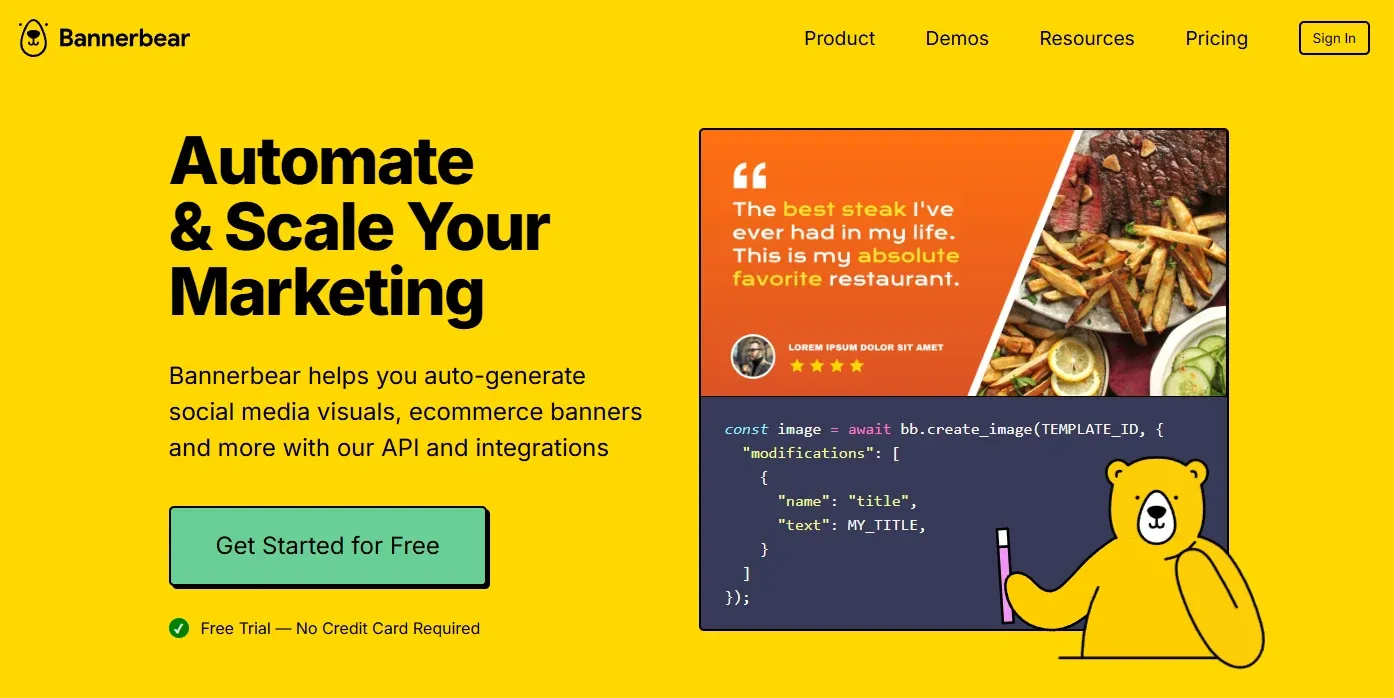
Bannerbear: an API that generates images on the fly. Its founder shared the full path from $0 to $10,000 in monthly revenue.
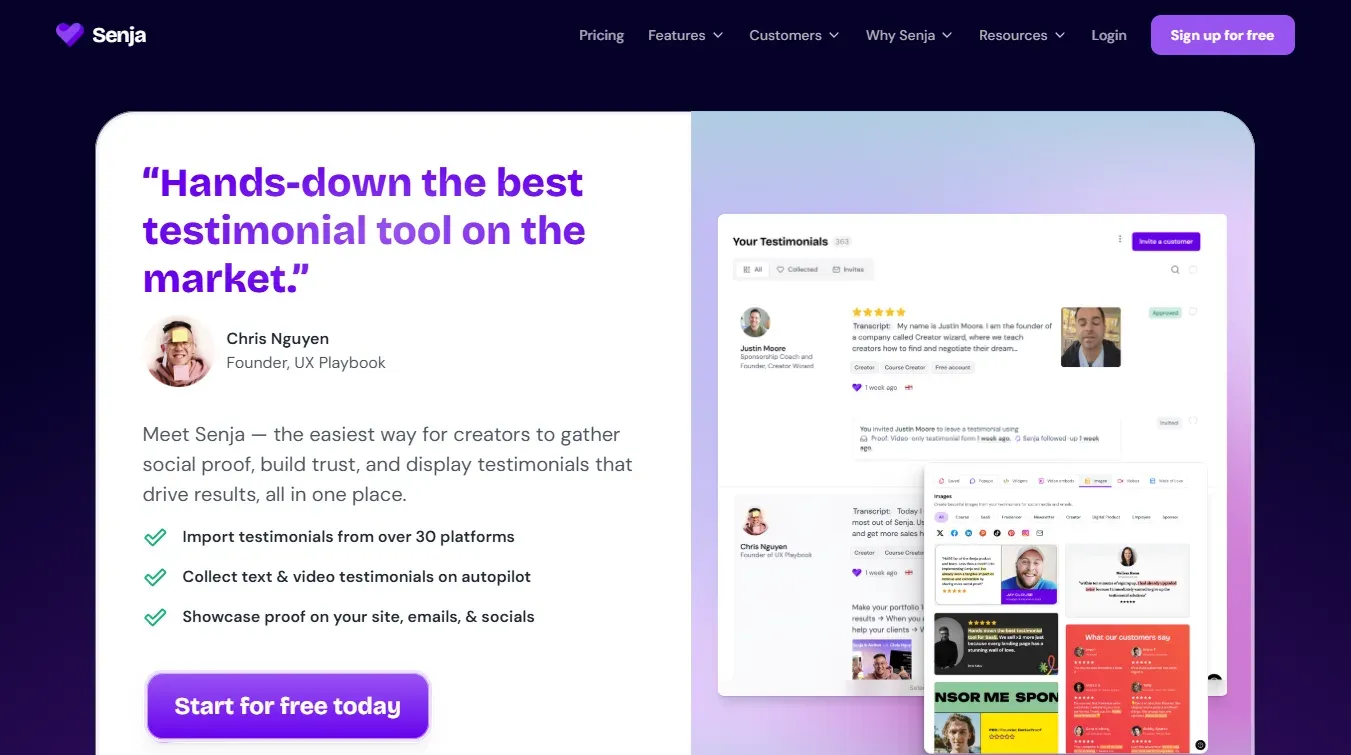
Senja: a testimonial tool built by two founders in public. Each embedded widget acted as free marketing on the way to $1 million in yearly revenue.
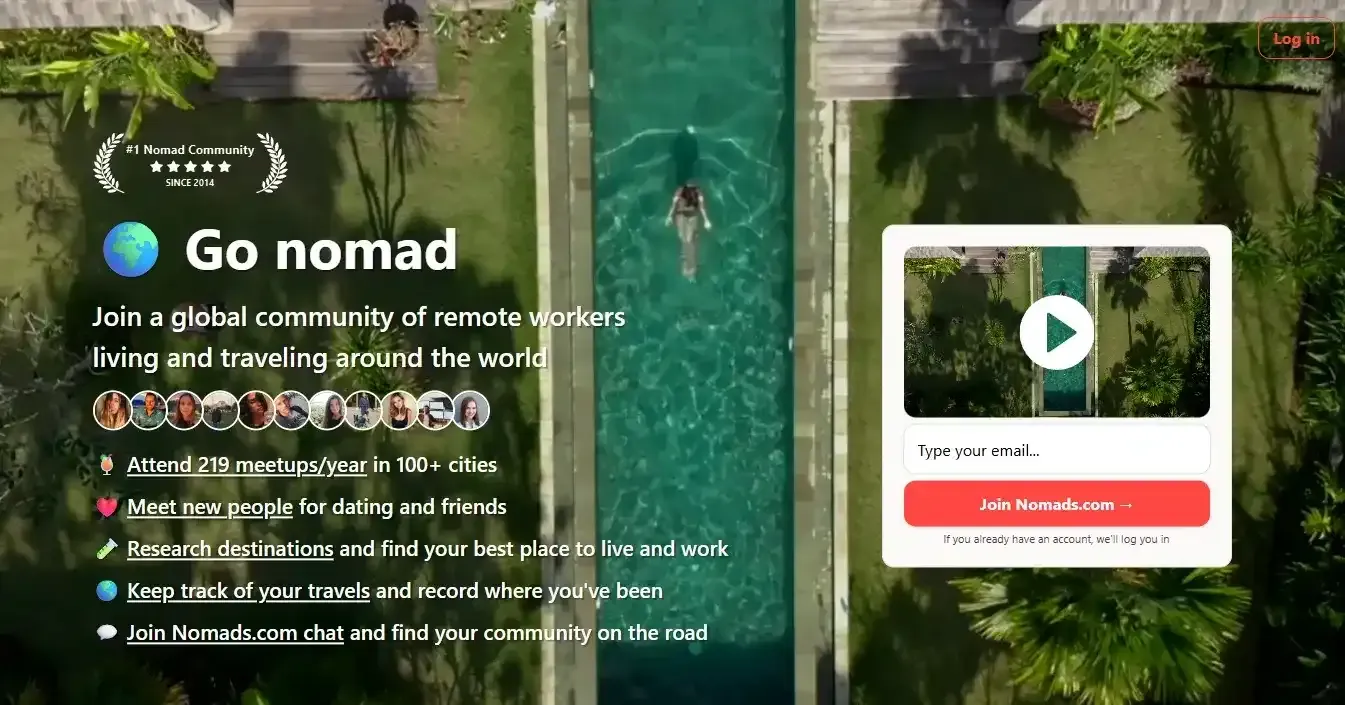
Nomad List: a city-ranking site for remote workers, built by one maker with a basic tech stack.
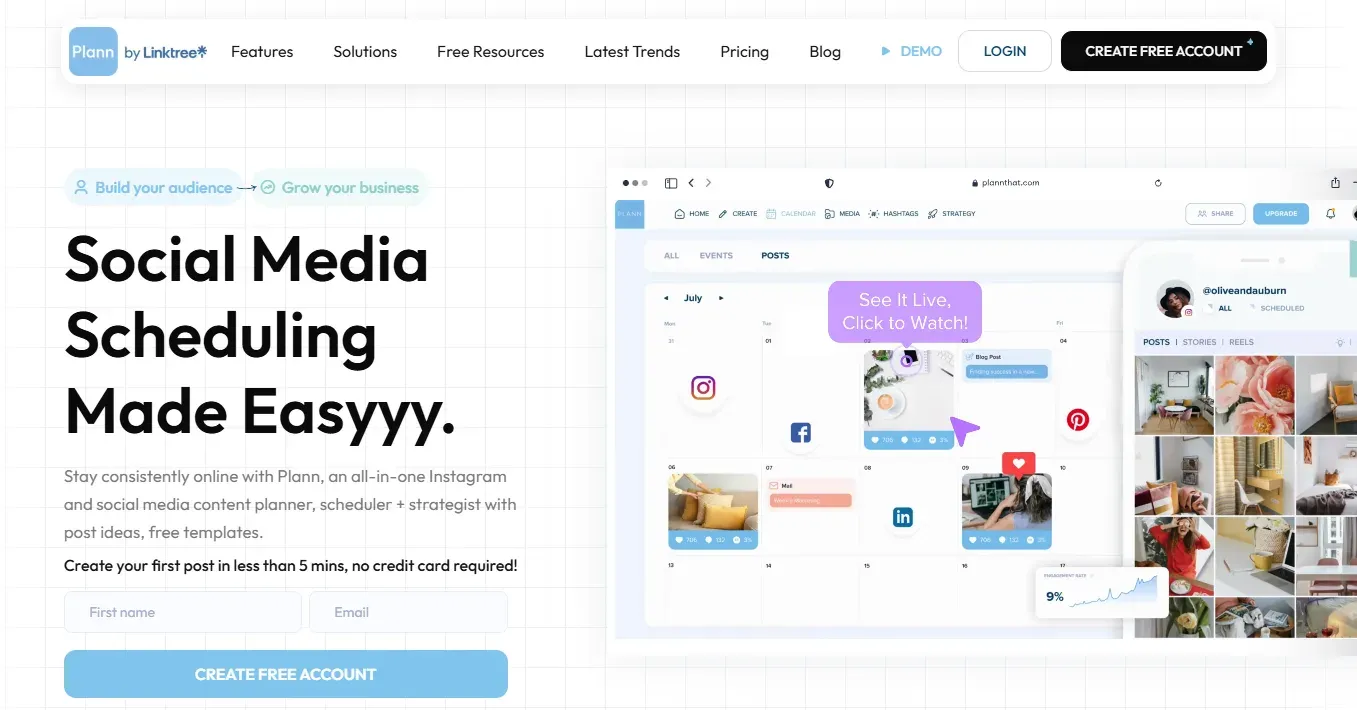
Plann: a social media planning tool from a non-technical founder who reached $1 million in revenue in two years.
The lessons repeat. Pick a narrow niche. Solve one problem well. Build in public to earn early fans. And start charging early.
Validate Before You Build
The goal at this stage is not speed. It is proof. You must confirm real demand before you build.
The reason is simple. If you build first and nobody wants it, your budget vanishes. Validation protects your time and your money.
Run a 30-Day Validation Sprint
A clear framework keeps you honest. Many founders use a 30-day plan.
Week 1: build a landing page and drive traffic. Aim for 20 or more email signups.
Weeks 2 to 3: run 10 to 20 problem interviews. Ask about real habits, not dreams.
Weeks 3 to 4: offer paid beta access. See who actually commits money.
If people sign up, talk, and pay, you have a signal. If not, move on.
Use the Right Questions
Ask what people already do, not what they might do. "How do you handle this today?" beats "Would you use this?" People are polite about hypotheticals but honest about real habits. This idea comes from a well-known method called The Mom Test.
Measure True Demand
A landing page shows whether interest exists. A weak page means weak demand. Do not force a bad idea you happen to like. Discard it and start again.
Pre-Sell the Solution
The strongest proof is money up front. One founder pre-sold 50 lifetime deals for $20,000 before writing any code. If people pay before the product exists, you have real demand.
Validation Checklist
Before you build, you should be able to check each box:
The problem is painful and frequent.
You can name a specific target user.
At least 20 people signed up to learn more.
You ran 10 or more honest problem interviews.
Someone agreed to pay, in words or in cash.
You can reach this audience without a huge ad budget.
If any box is empty, keep validating. Do not write code yet.
Conduct Customer Discovery
You must speak with the people who will buy. These talks reveal what the market truly needs.
Target the Right People
Use LinkedIn filters to find the right decision-makers in your niche. Do not cast a wide, random net. Speak only to people who live with the problem.
Keep Conversations Pitch-Free
Ask for a short 15-minute chat. Do not bring a slide deck or a sales pitch. Your only goal is to hear their daily struggles and learn their workflow.
Iterate Every Five Calls
Adjust your hypothesis as you learn. Change your questions after each batch of five interviews. Refine the problem before you define the solution.
Ask Two Mandatory Questions
End each interview with two questions. First: "Can I follow up to share a possible solution?" Second: "Do you know two others who face this same problem?"
Hit the Interview Quota
Aim to talk to at least 50 ideal customers. This volume helps you understand their world. It also gives you the exact words to use on your marketing pages.
Prototype and Launch
Once you confirm the problem is real, show a visual solution. Keep this phase lean and simple.
Use Low-Fidelity Mockups
Sketch the idea with simple tools like wireframes or slides. Rough sketches keep users focused on flow, not colors. This gives you cleaner feedback.
Simulate the Solution
Ask if you can fake the app with off-the-shelf tools. You can often white-label existing products as a proof of concept. This tests the mechanics without a backend.
Launch a Basic Version
Once the problem is locked, build a basic minimum viable product. It only needs to solve the core issue. It does not need to be perfect or fully automated. If you need a reliable technical partner for this phase, explore professionalMVP development services to build a solid foundation.
Test Pricing and Business Models
A validated problem becomes a business only when people pay. Test your money assumptions early.
Secure Commitments
Ask users directly if they would pay, and how much. A clear "Yes, I would pay for this" is gold. It beats polite, generic praise.
Experiment with Models
Try different approaches and see what the market accepts. Test monthly subscriptions, usage fees, or a small freemium tier. Adjust based on the feedback you get.
Sell Early
Offer the basic, imperfect version right away. Try to take real payment as soon as you can. Revenue is the best form of validation.
SaaS Best Practices
A validated idea still needs sound habits to grow. Follow these best practices from day one.
Charge early. Free users do not prove a business; paying users do.
Stay niche. Resist the urge to serve everyone too soon.
Build in public. Share progress to attract early fans and feedback.
Ship lean. Launch the smallest version that solves the core problem.
Track key metrics. Watch monthly recurring revenue, churn, and customer cost.
Aim for healthy unit economics. A common target is a 3-to-1 ratio of lifetime value to acquisition cost.
Focus on retention. Keeping users costs less than finding new ones.
These habits separate steady businesses from short-lived projects. If you plan to hire a build team, you can also review thetop MVP development companies to find a strong partner.
Summary of Validation Methods
Here is a quick breakdown of the core methods you should use to test your concept.
Validation Method | Primary Purpose | Key Action Step |
|---|---|---|
Landing page | Test market interest | Collect emails to measure demand before coding |
Customer interviews | Understand the problem | Talk to target customers about their pain points |
Low-fidelity prototype | Test the solution idea | Show rough workflows to get feedback |
Pre-sales and pilots | Prove people will pay | Ask for verbal or paid commitments early |
Turn Your Validated Idea Into a Scalable SaaS
The best software products start with rigorous validation. Make sure you solve a painful problem before you invest in heavy development.
Once you finish your interviews, test your landing pages, and confirm your pricing, the next step is the real build. You need an architecture that grows with your user base.
This is where Divtechnosoft helps you move from prototype to production. We handle the backend engineering, database design, and cloud deployment, so you can focus on sales and growth. Pair your disciplined validation with our technical execution, and you protect your budget on the way to a smooth launch.