Headless CMS Examples in Action
Explore real-world headless CMS examples and see how businesses use flexible content management to deliver fast, omnichannel digital experiences.

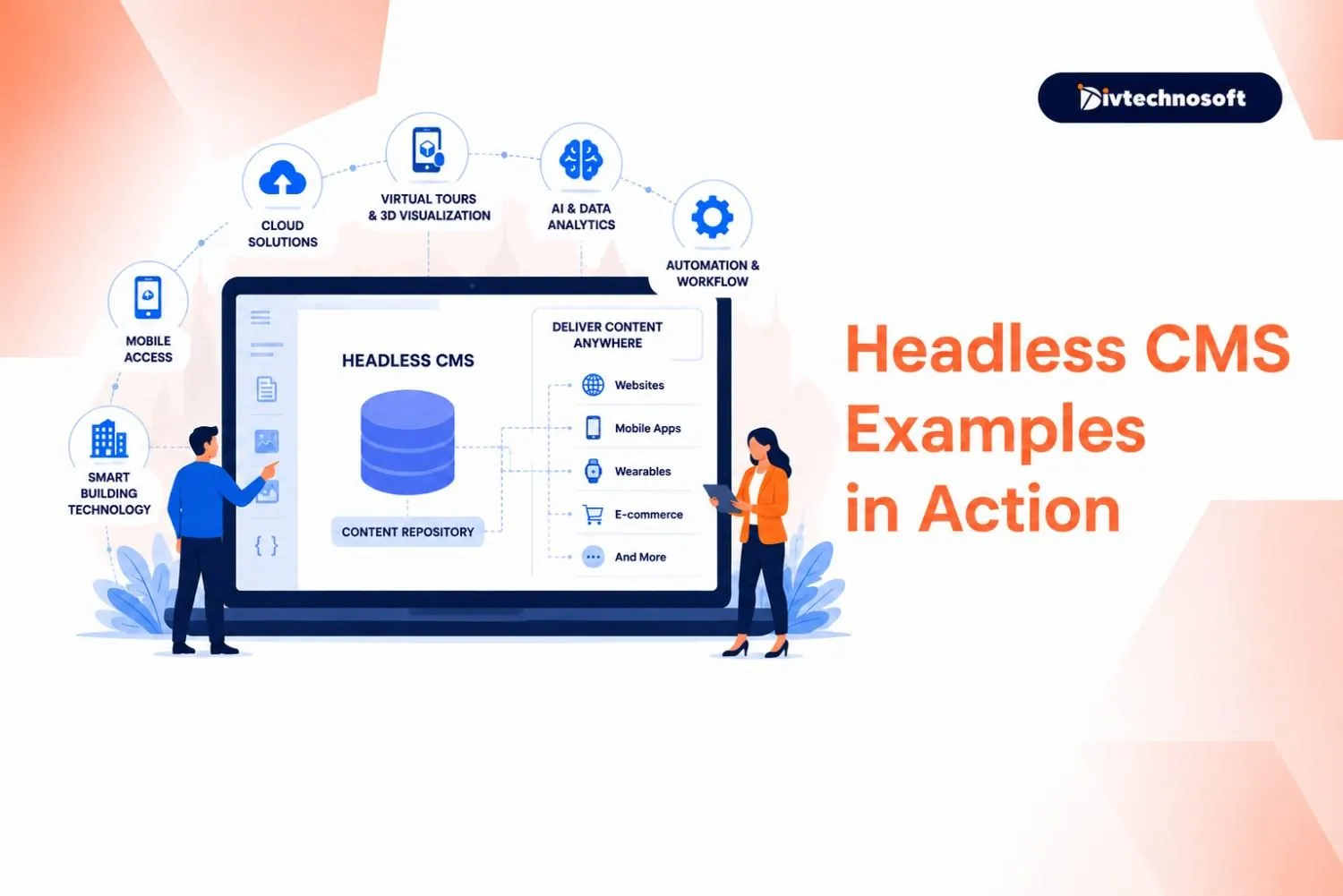
The way businesses manage digital content has changed a lot.
Earlier, traditional CMS platforms connected the backend and frontend together. This made website updates and design changes more complicated and time-consuming.
Today, it gives businesses more flexibility by allowing them to manage content in one place and publish it across websites, mobile apps, smart devices, and more.
Looking at different headless CMS examples helps businesses understand how this modern approach improves speed, scalability, and content management across multiple platforms.
What is a Headless CMS?
A headless CMS is a content management system that acts strictly as a content folder. It has no head, meaning there is no built-in front-end website template. Instead, it provides content through an API. This allows developers to build any kind of front-end experience they want using modern tools like React, Vue, or Next.js, while the marketing team manages the text and images in a clean interface.
The Core Mechanics
Content API: The bridge that sends your data to different devices.
Decoupled Architecture: The separation of the body (content) from the head (design).
Cloud-First Approach: Most modern systems are hosted in the cloud for better speed.
5 Headless CMS Examples in Real Life
To see the power of this technology, we need to look at headless cms examples in real life. These companies use the technology to manage massive amounts of data and deliver seamless user experiences.
1. Nike
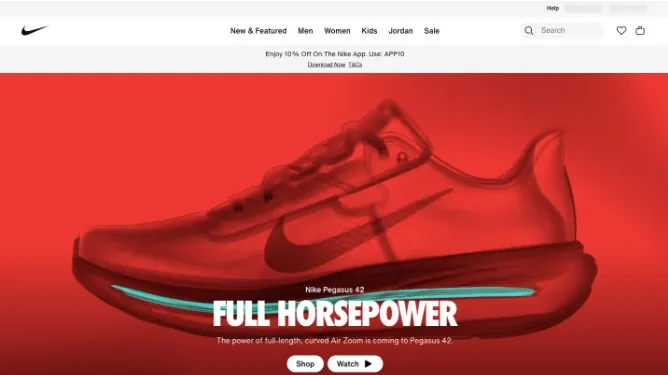
Nike uses a headless approach to power its massive global commerce engine. For a brand of this scale, speed is everything. By using a headless CMS, Nike can update product launches, athlete stories, and localized content across their web store and mobile apps simultaneously. This allows them to handle huge spikes in traffic during new sneaker drops without the front-end slowing down the back-end management.
2. Spotify
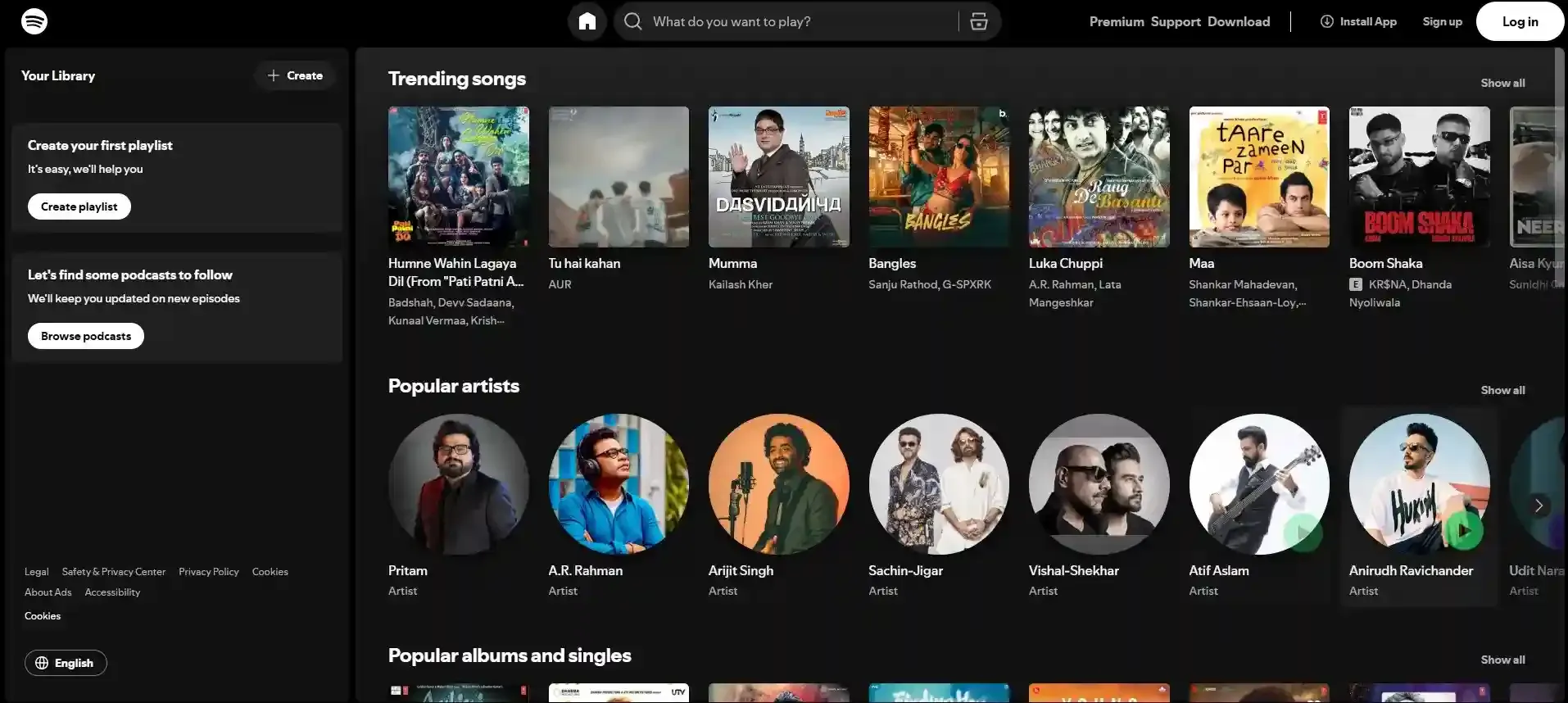
Spotify is a great example of content delivery beyond a simple browser. They use headless architecture to manage the metadata, artist biographies, and podcast descriptions that appear on your phone, your desktop, your car dashboard, and your smart speakers. The headless setup allows them to keep the user interface incredibly fast and responsive, regardless of the device you use to listen to music.
3. Coca-Cola
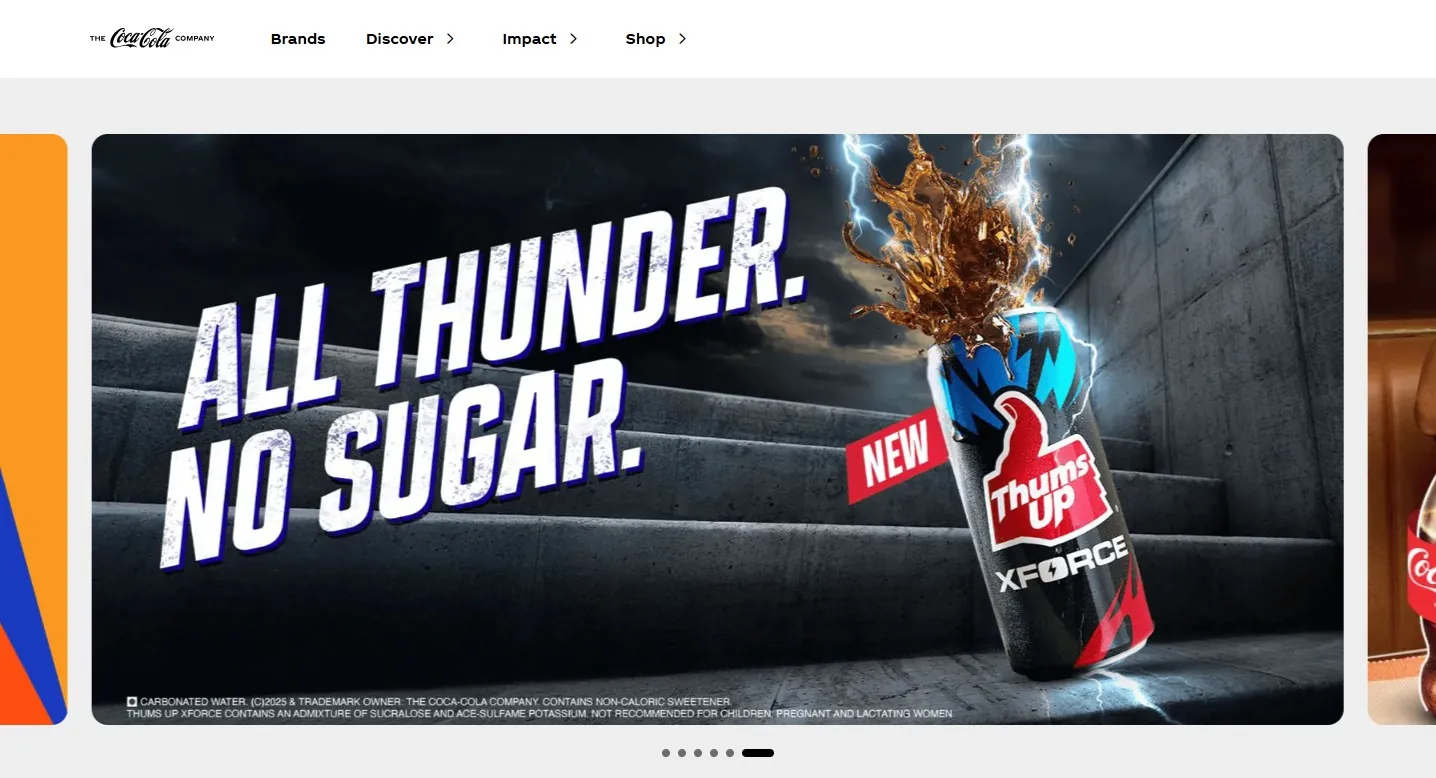
Coca-Cola manages hundreds of localized websites across the globe. Using a traditional CMS for each region would be a nightmare for brand consistency. By implementing a headless strategy, they can maintain a global content library. Local teams can pull what they need via APIs and present it in a way that fits their specific regional market, all while staying within the global brand guidelines.
4. Staples
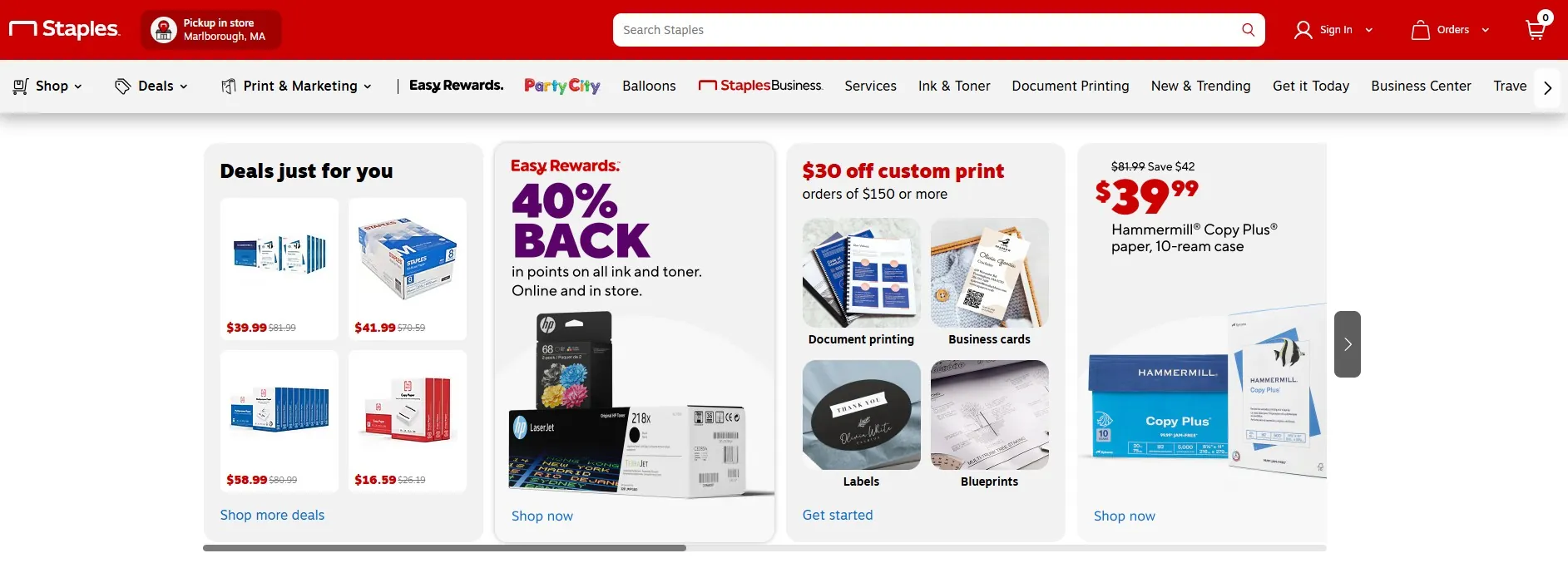
In the world of e-commerce, Staples uses headless technology to bridge the gap between their online store and their internal inventory systems. This allows them to show real-time stock levels and personalized pricing to different customer segments. The flexibility of a headless system means it can integrate complex third-party tools for search and recommendations without breaking the site structure.
5. The New York Times
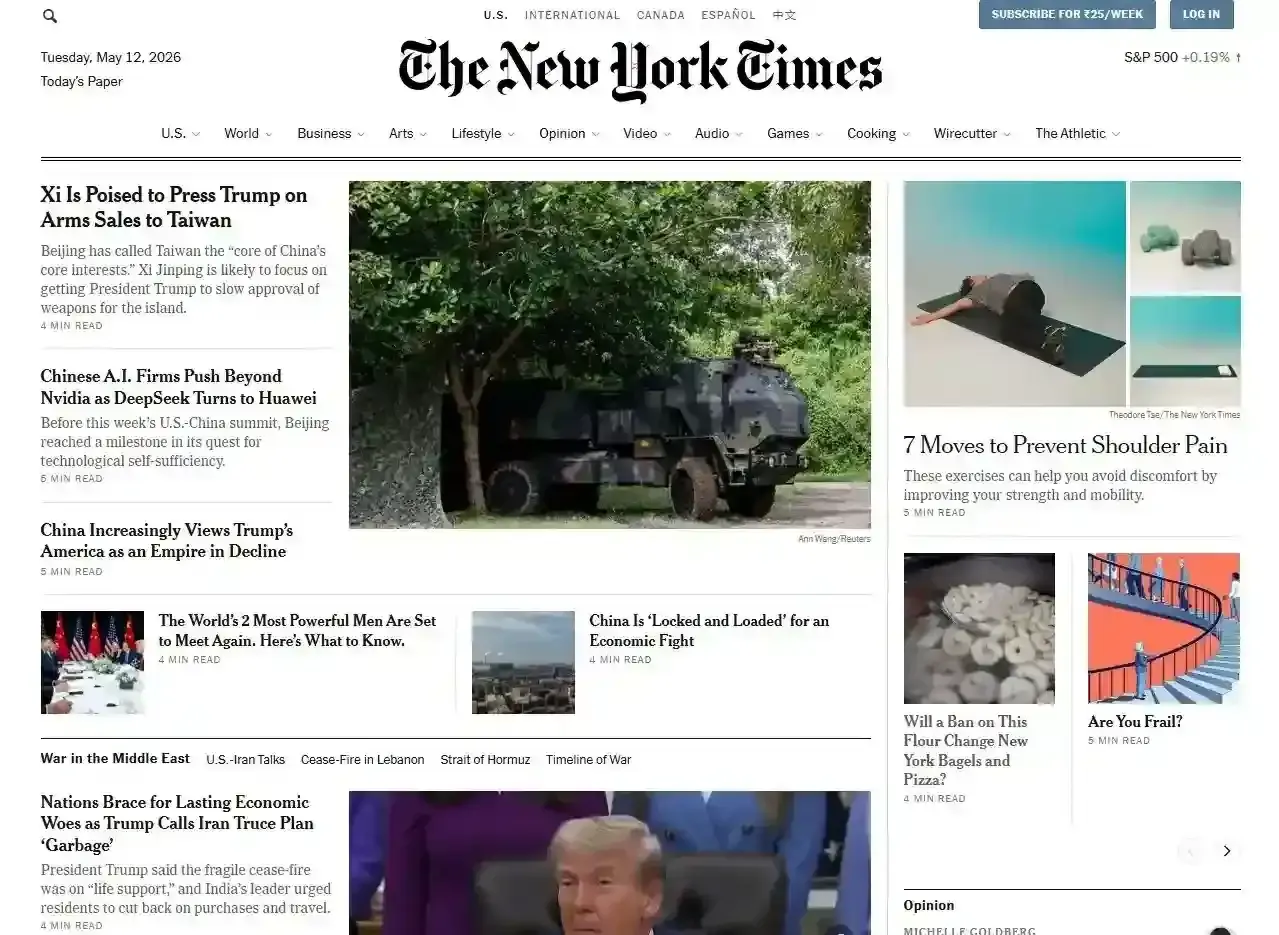
Media companies live and die by their ability to publish content quickly. The New York Times uses a decoupled system to ensure that breaking news reaches readers on every platform at the same time. Whether you are reading on a Kindle, an iPhone, or a laptop, the content is pulled from a central repository, allowing editors to focus on the story rather than the technical layout of the page.
Headless CMS Benefits
Before looking at specific companies, it is important to understand why so many brands are making the switch. The headless cms benefits go far beyond just technical preferences.
True Omnichannel Delivery
In a traditional setup, you might need separate systems for your website and your mobile app. With a headless approach, you create the content once and deploy it everywhere. This ensures brand consistency across every touchpoint.
Developer Freedom
Developers are no longer restricted by the proprietary languages of older platforms. They can use the frameworks they are most comfortable with, which leads to faster development cycles and better site performance.
Enhanced Security
Because the content is delivered via API and is separate from the management side, the attack surface for hackers is much smaller. There is no database directly connected to the front-end site to exploit.
Future-Proofing
If you want to redesign your website three years from now, you do not have to migrate your content. You simply build a new head and connect it to your existing headless CMS.
How to Choose the Right Strategy
Implementing a headless CMS is a big step. You should consider the following factors:
Team Skillset: Does your team have the front-end developers needed to build a custom head?
Content Complexity: Are you managing simple blogs or a massive catalog of products with multiple variations?
Budget: While headless offers more power, the initial setup can be more intensive than a basic template-based site.
Final Thoughts
The shift toward API-first content management is a response to a world where we consume information on more than just computer screens. Companies that embrace this change find themselves more agile, more secure, and better prepared for whatever new device comes next.
Divtechnosoft provides the expertise needed to navigate this transition. They help businesses identify the best tools and build the infrastructure required to stay competitive. If you are looking to improve your site speed and content reach, we are the partner that can turn that vision into a functional reality.